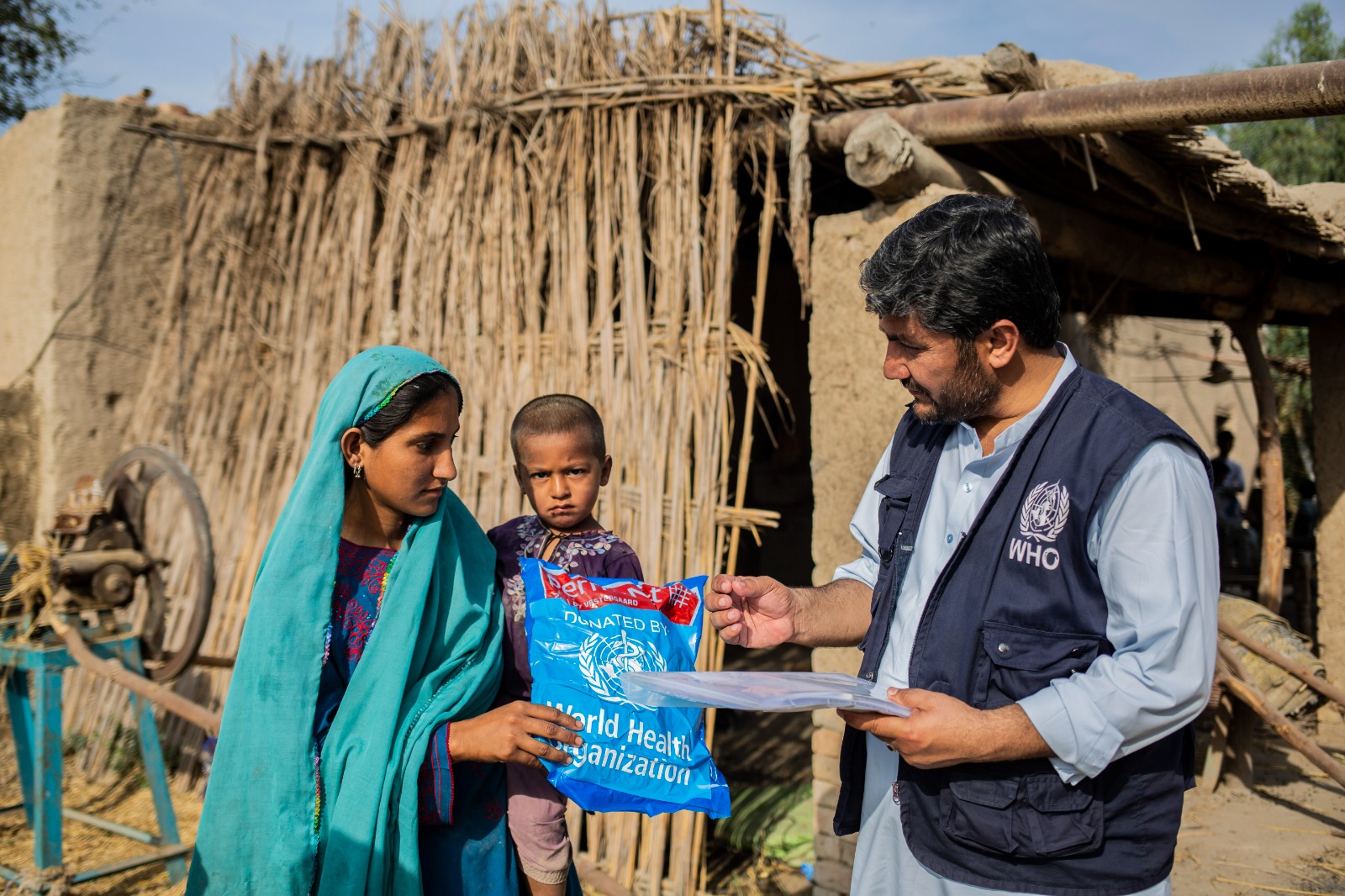
ISLAMABAD (Zahid Yaqoob Khawaja): On the eve of World Malaria Day, the World Health Organization (WHO) and Pakistan’s Ministry of National Health Services issued a joint call to action, warning that climate change is accelerating the spread and severity of malaria in the country. With over 2 million cases reported annually, the disease continues to pose a significant threat to public health and development.
Federal Health Minister Syed Mustafa Kamal stressed the urgency of the situation, stating, “Malaria is a major global threat, and we are seeing firsthand how climate change is increasing both the risk and the cases in our country. Despite the challenges, Pakistan remains fully committed to ending this disease. It is not just a health imperative – it is an investment in a healthier, more equitable, and safer future.”
This year’s global theme, “Reinvest, Reimagine, Reignite”, urges governments and partners to renew their commitment and support countries like Pakistan in ensuring the malaria response is not hindered by dwindling resources.
Following the devastating floods of 2022, malaria cases in Pakistan soared. According to WHO data, an additional 6.6 million cases were recorded between 2022 and 2024, with a peak of 2.7 million in 2023, compared to just under 400,000 in 2021. The WHO Eastern Mediterranean Region also witnessed a dramatic 137% increase in malaria cases from 2015 to 2023, totaling an estimated 10.2 million cases last year alone.
Despite this, Pakistan’s malaria response has made notable progress. In 2024, the country screened over 11.4 million suspected cases, treated 2 million confirmed patients, and distributed 7.8 million insecticide-treated nets across 22 high-risk districts. These efforts contributed to a decline in malaria cases from 2.7 million in 2023 to 2 million in 2024.
WHO Representative in Pakistan, Dr. Dapeng Luo, reaffirmed the organization’s support, stating, “We know how to end malaria, and we can do it if all stakeholders invest and work together. But climate change is hampering progress. It’s no longer a future threat—it’s a current crisis affecting Pakistan and the entire region.”
The increase in malaria cases is closely tied to climate impacts such as rising temperatures and floods, with data from 5,575 medical facilities in 80 endemic districts highlighting the growing risk of outbreaks. Other contributing factors include poverty, limited access to health services, and instability in areas like Balochistan, tribal districts, and Khyber Pakhtunkhwa.
WHO and Pakistan are calling for sustained and coordinated action to combat malaria and adapt to the evolving challenges posed by climate change. Experts emphasize that investment in malaria control saves lives and is vital for building a resilient and prosperous future for the country.
World Malaria Day is observed every year on April 25 to raise awareness about the global fight against malaria and recognize the ongoing efforts of countries like Pakistan in eliminating the disease.
Trending
- PAEC Chief Parvez Butt praised as “Silent Hero”, Mushahid terms Bomb Project as ‘amazing Pakistan success story’
- International Trainer-Led Clinical AI Healthcare Certification Underway at Islamabad Medical & Dental College
- Chery Surpasses 20 Million Global Vehicle Sales as Monthly Exports Exceed 200,000
- Illegal Cigarette Manufacturing Unit Exposed Inside School Premises in Swabi
- Zong Celebrates Pakistan’s Historic CAVA Men’s Volleyball Championship 2026 Victory as Official Title Partner
- NADRA Wins Three Prestigious Awards for Excellence in Digital Transformation
- PTCL Group Achieves Strong Financial Results with 62% Topline Growth YoY
- Japan Supports Upgrading of 20 Primary Girls’ Schools into Elementary Schools in Rural Sindh
- Pakistan’s Business Confidence Rebounds in Q2, but Budget Concerns Persist: Gallup Survey
- MAJOR ANTI-SMUGGLING OPERATION BY CUSTOMS ENFORCEMENT, ISLAMABAD
Add A Comment