Karachi (Special Correspondent): Plug-in hybrid electric vehicles (PHEVs) are emerging as the preferred entry point for electrified mobility in Pakistan and other emerging markets, as infrastructure and cost constraints slow the adoption of fully electric vehicles (EVs), according to industry data and recent market activity.
The trend comes amid a broader global shift led by China, which has overtaken Japan and Germany to become the world’s largest car exporter, driven largely by new energy vehicles, including EVs and hybrid variants.
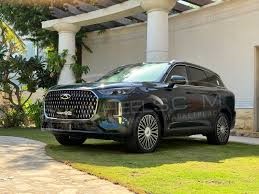
In Pakistan, early indicators suggest consumer demand is tilting toward PHEVs, with Chery Master Pakistan reporting over 2,000 bookings for its plug-in hybrid SUV lineup within a short period of market entry, company official said.
The bookings span the company’s Tiggo PHEV range — including the Tiggo 7, Tiggo 8 and Tiggo 9 — reflecting strong initial traction in multiple segments, from urban commuters to family and premium SUV buyers, he added.
Auto industry analysts say the shift is being driven by fuel economics and usability considerations rather than upfront vehicle pricing alone. With petrol prices remaining elevated, a conventional vehicle averaging around 10 kilometres per litre results in significantly higher per-kilometre costs compared to hybrid and plug-in hybrid alternatives, particularly in city driving conditions.
At the same time, structural constraints continue to limit large-scale EV adoption. Charging infrastructure remains limited, while grid reliability and range concerns are influencing purchasing decisions, particularly outside major urban centres.
This has positioned PHEVs as a transitional solution, allowing users to operate on electric power for daily commutes while retaining a conventional engine for longer travel — a combination seen as better suited to current market conditions.
Industry stakeholders note that China’s export strategy is increasingly aligned with this reality, focusing on scalable hybrid technologies that can be deployed across markets with varying levels of infrastructure readiness.
Recent activity in Pakistan’s SUV segment supports this view, with newly introduced PHEV models generating strong consumer interest and early order volumes.
Market observers say the development points to a phased transition toward electrification in Pakistan, where plug-in hybrids are expected to play a leading role in the near to medium term.
They add that consumer behaviour — shaped by running costs, fuel prices, and practicality – is likely to remain a key driver of adoption trends, alongside evolving policy measures and infrastructure investments.
Trending
- PAEC Chief Parvez Butt praised as “Silent Hero”, Mushahid terms Bomb Project as ‘amazing Pakistan success story’
- International Trainer-Led Clinical AI Healthcare Certification Underway at Islamabad Medical & Dental College
- Chery Surpasses 20 Million Global Vehicle Sales as Monthly Exports Exceed 200,000
- Illegal Cigarette Manufacturing Unit Exposed Inside School Premises in Swabi
- Zong Celebrates Pakistan’s Historic CAVA Men’s Volleyball Championship 2026 Victory as Official Title Partner
- NADRA Wins Three Prestigious Awards for Excellence in Digital Transformation
- PTCL Group Achieves Strong Financial Results with 62% Topline Growth YoY
- Japan Supports Upgrading of 20 Primary Girls’ Schools into Elementary Schools in Rural Sindh
- Pakistan’s Business Confidence Rebounds in Q2, but Budget Concerns Persist: Gallup Survey
- MAJOR ANTI-SMUGGLING OPERATION BY CUSTOMS ENFORCEMENT, ISLAMABAD
Add A Comment